
In a landmark ruling, Supreme Court allows Ghaziabad man right to die after 13 years in vegetative state, urges Centre to consider passive euthanasia law
Simran Guleria | Mar 11, 2026, 12:22 IST
The Supreme Court permitted withdrawal of life support for a Ghaziabad man bedridden for 13 years after severe brain injuries. The ruling also urged the government to consider legislation governing passive euthanasia.

After more than a decade of silent suffering and unwavering care from his parents, a 31-year-old man from Ghaziabad has finally been granted the right to die with dignity. In a deeply emotional ruling, the Supreme Court of India permitted the withdrawal of life support for Harish Rana, who has remained in a persistent vegetative state since a devastating accident in 2013. The landmark decision followed an appeal by Rana’s ageing parents, who had spent 13 years caring for their son after he sustained severe brain injuries in a fall from the fourth floor of a paying guest accommodation while studying at Panjab University.
![Instagram| After 13 years, Ghaziabad man allowed to die]()
Since the accident, Rana has remained bedridden and entirely dependent on life-sustaining medical support. Doctors confirmed he survives through a tracheostomy tube for breathing and a gastrojejunostomy tube for feeding. Medical reports submitted before the court showed no signs of neurological improvement over the years.
The bench comprising Justices J B Pardiwala and K V Viswanathan observed that the right to life under the Constitution must also include the right to die with dignity in circumstances where recovery is medically impossible.
In a reflective observation, Justice Pardiwala referred to the timeless dilemma captured in Hamlet by William Shakespeare, noting that courts are sometimes confronted with the profound question of whether life should continue when hope of recovery has long disappeared.
The court clarified that withdrawal of life support must meet strict conditions. First, the medical intervention must qualify as treatment rather than basic care. Second, the decision must genuinely serve the patient’s best interests.
To ensure the process remains humane, the court directed that Rana be admitted to All India Institute of Medical Sciences for palliative care before life support is withdrawn. Doctors will oversee a carefully structured plan designed to maintain dignity and minimise suffering.
![Instagram| SC allows life support withdrawal after 13 years]()
Judges also acknowledged the emotional toll carried by Rana’s parents, who stood by their son through years of medical uncertainty and physical decline. Their unwavering commitment became a central factor in the court’s decision.
The judgment further urged the central government to consider introducing comprehensive legislation on passive euthanasia so that families facing similar circumstances have clearer legal guidance.
India’s legal framework around passive euthanasia has evolved gradually. A significant milestone came in the Aruna Shanbaug vs Union of India judgment in 2011. Shanbaug, a nurse, remained in a vegetative state for more than four decades after a brutal sexual assault left her paralysed.
While the court declined to withdraw her life support at the time, the ruling established guidelines allowing passive euthanasia in exceptional cases after careful medical evaluation.
![Instagram| Ghaziabad man granted right to die with dignity]()
The Rana case now adds another important chapter to that evolving legal and ethical debate.
Beyond legal doctrine, the ruling highlights the difficult intersection of medicine, compassion, and human dignity. For the Rana family, the judgment closes a painful chapter defined by years of devotion, grief, and an enduring question about what it truly means to let a loved one rest.
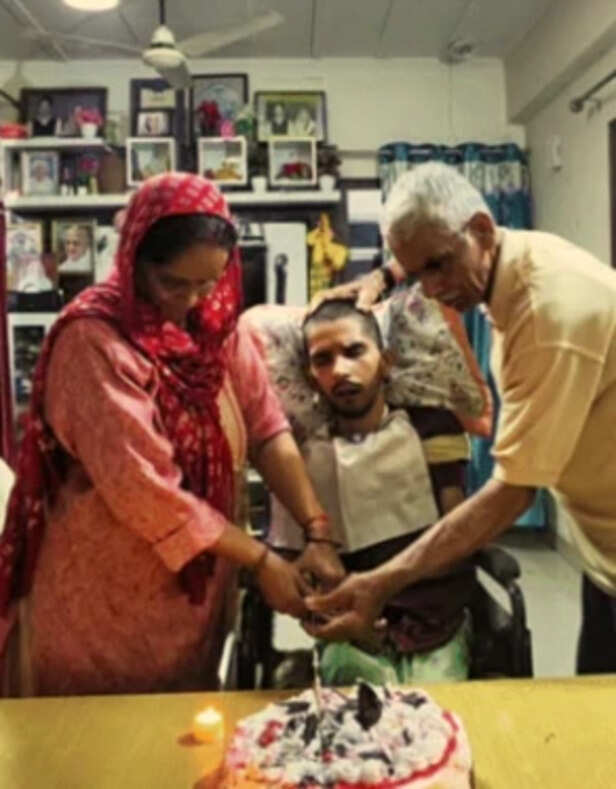
Image credit : X| After 13 years, Ghaziabad man allowed to die
Since the accident, Rana has remained bedridden and entirely dependent on life-sustaining medical support. Doctors confirmed he survives through a tracheostomy tube for breathing and a gastrojejunostomy tube for feeding. Medical reports submitted before the court showed no signs of neurological improvement over the years.
The bench comprising Justices J B Pardiwala and K V Viswanathan observed that the right to life under the Constitution must also include the right to die with dignity in circumstances where recovery is medically impossible.
In a reflective observation, Justice Pardiwala referred to the timeless dilemma captured in Hamlet by William Shakespeare, noting that courts are sometimes confronted with the profound question of whether life should continue when hope of recovery has long disappeared.
A painful decision guided by compassion
The court clarified that withdrawal of life support must meet strict conditions. First, the medical intervention must qualify as treatment rather than basic care. Second, the decision must genuinely serve the patient’s best interests.
To ensure the process remains humane, the court directed that Rana be admitted to All India Institute of Medical Sciences for palliative care before life support is withdrawn. Doctors will oversee a carefully structured plan designed to maintain dignity and minimise suffering.
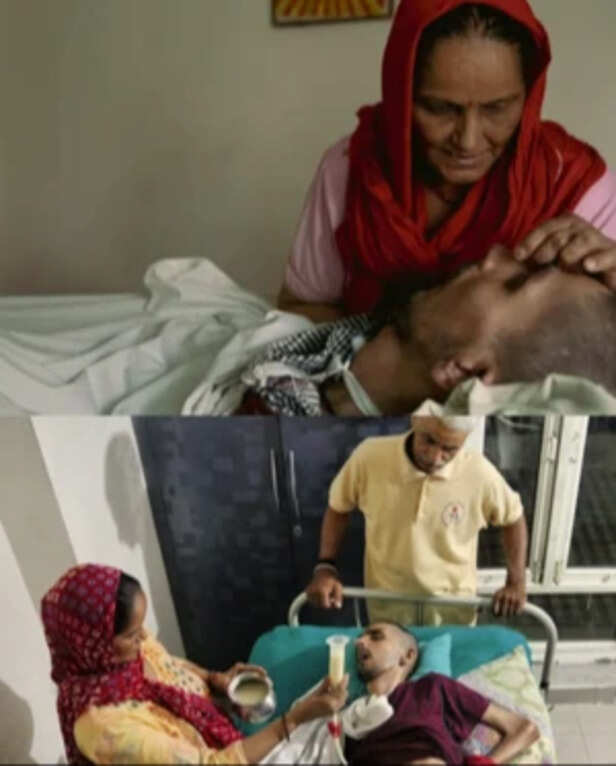
Image credit : Instagram| SC allows life support withdrawal after 13 years
Judges also acknowledged the emotional toll carried by Rana’s parents, who stood by their son through years of medical uncertainty and physical decline. Their unwavering commitment became a central factor in the court’s decision.
The judgment further urged the central government to consider introducing comprehensive legislation on passive euthanasia so that families facing similar circumstances have clearer legal guidance.
A debate India has faced before
India’s legal framework around passive euthanasia has evolved gradually. A significant milestone came in the Aruna Shanbaug vs Union of India judgment in 2011. Shanbaug, a nurse, remained in a vegetative state for more than four decades after a brutal sexual assault left her paralysed.
While the court declined to withdraw her life support at the time, the ruling established guidelines allowing passive euthanasia in exceptional cases after careful medical evaluation.
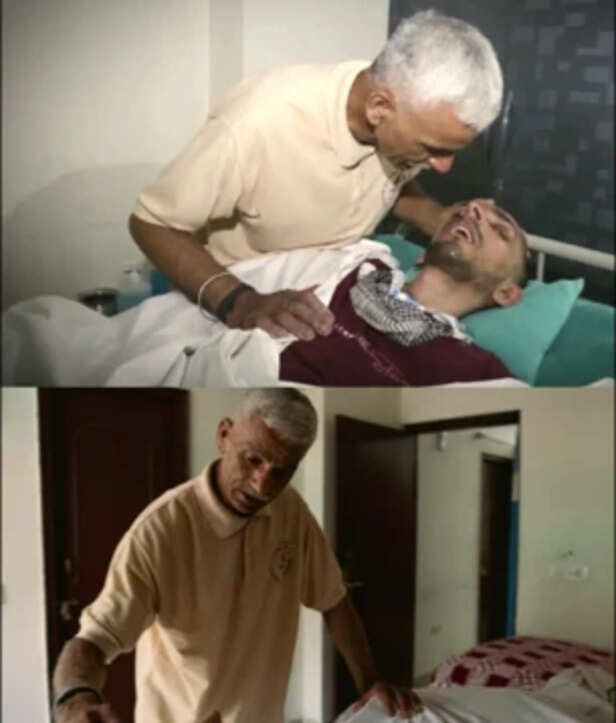
Image credit : Instagram| Ghaziabad man granted right to die with dignity
The Rana case now adds another important chapter to that evolving legal and ethical debate.
Beyond legal doctrine, the ruling highlights the difficult intersection of medicine, compassion, and human dignity. For the Rana family, the judgment closes a painful chapter defined by years of devotion, grief, and an enduring question about what it truly means to let a loved one rest.
Which actors can win their first Oscar in 2026?
By Nillohit Bagchi

Teacher warns parents over BTS ARIRANG class bunk plans
By Karen Noronha

Legendary directors still waiting for an Oscar
By Karen Noronha

Trump warns US will hit Iran ‘Very Hard’ next week
By Nancy Jaiswal

Southern Hospitality star Grace Lilly arrested on drug possession charge
By Karen Noronha

Are ‘butter runs’ the next viral fitness craze?
By Saloni Jha

Why Gen Z loves the ‘Girl Dinner’ trend
By Nancy Jaiswal
