
Iran women’s football player withdraws Australia asylum bid and opts to return home, sparking fresh questions over sudden decision
Simran Guleria | Mar 11, 2026, 19:36 IST
An Iranian women’s football player has withdrawn her asylum bid in Australia and decided to return home, a surprising development that has sparked curiosity about the circumstances behind her sudden change of decision.

The asylum saga involving Iran’s women’s national football team has taken a dramatic twist after one player who had sought protection in Australia decided to withdraw her request and return to Iran. The unexpected decision came within hours of Australian authorities granting her a humanitarian visa, leaving officials and observers puzzled about what prompted the sudden reversal.
![X| @SkyNews| Iran footballer drops asylum request in Australia]()
The player had been among several members of the Iranian delegation who quietly sought protection while attending the AFC Women’s Asian Cup in Australia. Reports indicated that she and a member of the team’s support staff were initially granted humanitarian visas, raising the number of delegation members requesting protection to seven. Yet shortly after approval was confirmed, the footballer contacted the Iranian embassy and arranged plans to travel back home.
The abrupt shift created complications for Australian authorities. Officials were forced to relocate the remaining asylum seekers to a secure location after the player’s communication with the embassy inadvertently revealed their whereabouts. The move reflected growing concerns for the safety and privacy of the other members of the delegation who had chosen to stay.
Interest in the situation has grown steadily since a group of Iranian players reportedly left their team hotel in Australia and approached local authorities for protection. The incident quickly drew international attention, highlighting the intersection of sport, politics and human rights.
The controversy intensified after Iranian state television criticised the women’s national team for refusing to sing the national anthem during a recent Women’s Asian Cup match held in Australia. State media labelled the players “wartime traitors”, a description that raised fears about potential consequences for athletes returning to Iran.
The protest was widely viewed as a symbolic act during a period of heightened political tension. Analysts say that Iranian athletes competing abroad often find themselves navigating a complex environment where personal expression can carry serious repercussions back home.
![X| @OliLondonTVV| Iran footballer abandons Australia asylum plea]()
Five players were initially granted humanitarian visas by Australian authorities, with additional members of the delegation later seeking protection. However, the decision by one player to withdraw her asylum request has highlighted the immense pressure facing athletes caught between personal safety and loyalty to family members still living in Iran.
Australian Home Affairs Minister Tony Burke said authorities respect the choices made by each individual, emphasising that those involved must be free to decide whether they wish to remain in Australia or return home.
The episode has also triggered diplomatic tension between Canberra and Tehran. Iranian officials have accused Australia of politicising the issue and interfering in the situation involving the national team. Australian authorities, however, maintain that the players were interviewed privately and were given the freedom to make their own decisions without pressure.
![X| Iran women’s footballer reverses asylum decision]()
Supporters within Australia’s Iranian diaspora have organised demonstrations urging the government to protect the athletes who have chosen to remain. Human rights advocates have also warned that athletes perceived as dissenting voices may face legal or social consequences if they return. For the six members of the delegation who remain in Australia under humanitarian protection, the future remains uncertain. Officials say they will receive support while exploring long term options, including the possibility of permanent residency.
The unfolding story illustrates the extraordinary pressures faced by athletes representing countries where politics and sport often collide. While one player has chosen to return home, others continue to weigh their options, knowing that the decisions they make could shape not only their careers but also their personal safety.
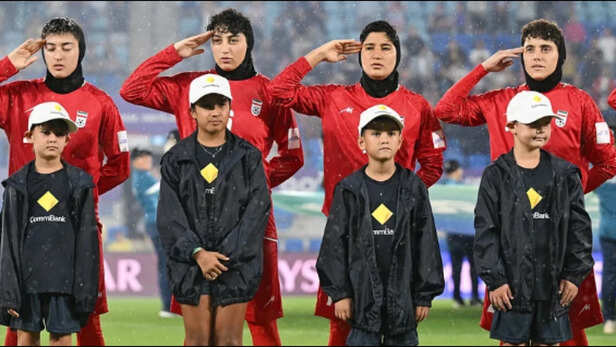
Image credit : X| @SkyNews| Iran footballer drops asylum request in Australia
The player had been among several members of the Iranian delegation who quietly sought protection while attending the AFC Women’s Asian Cup in Australia. Reports indicated that she and a member of the team’s support staff were initially granted humanitarian visas, raising the number of delegation members requesting protection to seven. Yet shortly after approval was confirmed, the footballer contacted the Iranian embassy and arranged plans to travel back home.
The abrupt shift created complications for Australian authorities. Officials were forced to relocate the remaining asylum seekers to a secure location after the player’s communication with the embassy inadvertently revealed their whereabouts. The move reflected growing concerns for the safety and privacy of the other members of the delegation who had chosen to stay.
Interest in the situation has grown steadily since a group of Iranian players reportedly left their team hotel in Australia and approached local authorities for protection. The incident quickly drew international attention, highlighting the intersection of sport, politics and human rights.
Anthem protest fuels tensions
The controversy intensified after Iranian state television criticised the women’s national team for refusing to sing the national anthem during a recent Women’s Asian Cup match held in Australia. State media labelled the players “wartime traitors”, a description that raised fears about potential consequences for athletes returning to Iran.
The protest was widely viewed as a symbolic act during a period of heightened political tension. Analysts say that Iranian athletes competing abroad often find themselves navigating a complex environment where personal expression can carry serious repercussions back home.
Image credit : X| @OliLondonTVV| Iran footballer abandons Australia asylum plea
Five players were initially granted humanitarian visas by Australian authorities, with additional members of the delegation later seeking protection. However, the decision by one player to withdraw her asylum request has highlighted the immense pressure facing athletes caught between personal safety and loyalty to family members still living in Iran.
Australian Home Affairs Minister Tony Burke said authorities respect the choices made by each individual, emphasising that those involved must be free to decide whether they wish to remain in Australia or return home.
A team caught between politics and sport
The episode has also triggered diplomatic tension between Canberra and Tehran. Iranian officials have accused Australia of politicising the issue and interfering in the situation involving the national team. Australian authorities, however, maintain that the players were interviewed privately and were given the freedom to make their own decisions without pressure.

Image credit : X| Iran women’s footballer reverses asylum decision
Supporters within Australia’s Iranian diaspora have organised demonstrations urging the government to protect the athletes who have chosen to remain. Human rights advocates have also warned that athletes perceived as dissenting voices may face legal or social consequences if they return. For the six members of the delegation who remain in Australia under humanitarian protection, the future remains uncertain. Officials say they will receive support while exploring long term options, including the possibility of permanent residency.
The unfolding story illustrates the extraordinary pressures faced by athletes representing countries where politics and sport often collide. While one player has chosen to return home, others continue to weigh their options, knowing that the decisions they make could shape not only their careers but also their personal safety.
Is Kanye West’s India concert cancelled?
By Nillohit Bagchi

Which actors can win their first Oscar in 2026?
By Nillohit Bagchi

Teacher warns parents over BTS ARIRANG class bunk plans
By Karen Noronha

Legendary directors still waiting for an Oscar
By Karen Noronha

Trump warns US will hit Iran ‘Very Hard’ next week
By Nancy Jaiswal

Southern Hospitality star Grace Lilly arrested on drug possession charge
By Karen Noronha

Are ‘butter runs’ the next viral fitness craze?
By Saloni Jha
