
Misty Copeland hits back at Timothée Chalamet after the actor claims ‘no one cares’ about ballet and opera, sparking wider debate over value of classical arts
Simran Guleria | Mar 11, 2026, 08:57 IST
Misty Copeland has responded to Timothée Chalamet after the actor suggested that audiences no longer care about ballet and opera, explaining why the centuries-old art forms remain culturally relevant today.

When one of the world’s most recognised ballet dancers responds publicly to a Hollywood star, the conversation quickly becomes larger than the two individuals involved. That is exactly what happened after Misty Copeland, one of the most celebrated figures in modern ballet, addressed controversial remarks made by actor Timothée Chalamet about the relevance of ballet and opera.
The debate began after Chalamet suggested during a public conversation that art forms such as ballet and opera no longer hold widespread appeal. His comments triggered criticism from performers and artists across the classical arts world, many of whom argued that such traditions remain deeply influential despite not dominating mainstream entertainment.
![X| @timotheenation| Misty Copeland responds to Chalamet’s ballet remarks]()
Copeland, however, offered one of the most prominent responses. Speaking during a panel event in New York linked to the launch of “The Strength Issue” by Aveeno and TOGETHXR, the former principal dancer of the American Ballet Theatre shared her perspective on why these centuries-old art forms continue to matter.
Copeland approached the controversy with measured clarity rather than outrage. She acknowledged that ballet may not dominate popular culture in the same way blockbuster films do, yet she stressed that popularity alone should not define cultural importance. According to the dancer, classical forms like ballet and opera have endured for more than four centuries precisely because they continue to resonate artistically and historically. Their longevity, she suggested, reflects their role in shaping artistic expression across multiple mediums.
Copeland also pointed out an irony in Chalamet’s comments. She revealed that the actor had previously invited her to participate in promotional efforts connected to his film Marty Supreme, recognising the influence of her artistic discipline. For Copeland, that connection highlights how deeply ballet’s traditions feed into modern storytelling.
![X| @ABC7NY| Ballet star challenges Chalamet’s controversial take]()
Her argument went further than defending a single art form. She suggested that the cultural ecosystem depends on many creative disciplines working together rather than competing for relevance. Film, theatre, opera and ballet all borrow from one another, influencing performance styles, storytelling and visual aesthetics.
The dancer also highlighted her long-standing commitment to expanding access to the arts. Through the Misty Copeland Foundation, she has focused on bringing ballet opportunities to communities that historically lacked access to elite training.
Copeland’s response carries additional weight because of her own groundbreaking career. In 2015 she made history as the first Black woman promoted to principal dancer at the American Ballet Theatre, one of the most prestigious companies in the world. Her rise helped reshape perceptions about who could belong in classical ballet.
After a 25-year career with the company, she delivered her final performance in October 2025. Even in retirement from the stage, she continues to advocate for greater inclusion and understanding of ballet’s cultural role.
![X| @TMZ| Debate grows after Chalamet’s ballet comments]()
Chalamet’s original comments were made during a public discussion with Matthew McConaughey at the University of Texas at Austin. While discussing modern filmmaking trends, the actor suggested he would prefer not to work in artistic spaces that require constant campaigning to remain relevant. The remark drew swift reactions across the performing arts community. Several opera and ballet professionals criticised the comment online, arguing that classical art forms remain foundational to many modern performance traditions.
Copeland’s response ultimately reframed the debate. Rather than dismissing Chalamet’s view outright, she emphasised that the arts should coexist rather than compete for attention. In her view, the enduring presence of ballet and opera proves that cultural value cannot be measured solely by popularity. Their influence continues quietly but powerfully, shaping the creative landscape in ways audiences may not always notice.
The debate began after Chalamet suggested during a public conversation that art forms such as ballet and opera no longer hold widespread appeal. His comments triggered criticism from performers and artists across the classical arts world, many of whom argued that such traditions remain deeply influential despite not dominating mainstream entertainment.

Image credit : X| @timotheenation| Misty Copeland responds to Chalamet’s ballet remarks
Copeland, however, offered one of the most prominent responses. Speaking during a panel event in New York linked to the launch of “The Strength Issue” by Aveeno and TOGETHXR, the former principal dancer of the American Ballet Theatre shared her perspective on why these centuries-old art forms continue to matter.
Misty Copeland responds to Chalamet’s remarks
Copeland approached the controversy with measured clarity rather than outrage. She acknowledged that ballet may not dominate popular culture in the same way blockbuster films do, yet she stressed that popularity alone should not define cultural importance. According to the dancer, classical forms like ballet and opera have endured for more than four centuries precisely because they continue to resonate artistically and historically. Their longevity, she suggested, reflects their role in shaping artistic expression across multiple mediums.
Copeland also pointed out an irony in Chalamet’s comments. She revealed that the actor had previously invited her to participate in promotional efforts connected to his film Marty Supreme, recognising the influence of her artistic discipline. For Copeland, that connection highlights how deeply ballet’s traditions feed into modern storytelling.
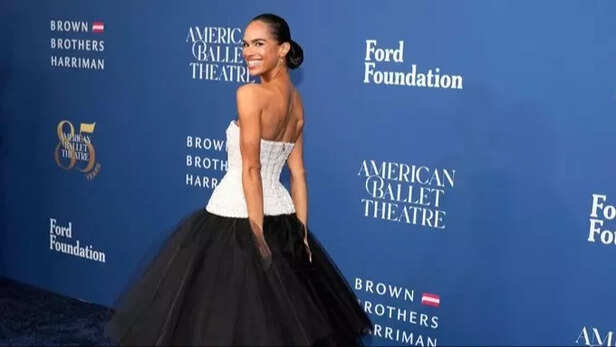
Image credit : X| @ABC7NY| Ballet star challenges Chalamet’s controversial take
Her argument went further than defending a single art form. She suggested that the cultural ecosystem depends on many creative disciplines working together rather than competing for relevance. Film, theatre, opera and ballet all borrow from one another, influencing performance styles, storytelling and visual aesthetics.
The dancer also highlighted her long-standing commitment to expanding access to the arts. Through the Misty Copeland Foundation, she has focused on bringing ballet opportunities to communities that historically lacked access to elite training.
Why ballet’s legacy still shapes modern art
Copeland’s response carries additional weight because of her own groundbreaking career. In 2015 she made history as the first Black woman promoted to principal dancer at the American Ballet Theatre, one of the most prestigious companies in the world. Her rise helped reshape perceptions about who could belong in classical ballet.
After a 25-year career with the company, she delivered her final performance in October 2025. Even in retirement from the stage, she continues to advocate for greater inclusion and understanding of ballet’s cultural role.

Image credit : X| @TMZ| Debate grows after Chalamet’s ballet comments
Chalamet’s original comments were made during a public discussion with Matthew McConaughey at the University of Texas at Austin. While discussing modern filmmaking trends, the actor suggested he would prefer not to work in artistic spaces that require constant campaigning to remain relevant. The remark drew swift reactions across the performing arts community. Several opera and ballet professionals criticised the comment online, arguing that classical art forms remain foundational to many modern performance traditions.
Copeland’s response ultimately reframed the debate. Rather than dismissing Chalamet’s view outright, she emphasised that the arts should coexist rather than compete for attention. In her view, the enduring presence of ballet and opera proves that cultural value cannot be measured solely by popularity. Their influence continues quietly but powerfully, shaping the creative landscape in ways audiences may not always notice.
Why are the Academy Awards called the Oscars?
By Priya Prakash

Is Kanye West’s India concert cancelled?
By Nillohit Bagchi

Which actors can win their first Oscar in 2026?
By Nillohit Bagchi

Teacher warns parents over BTS ARIRANG class bunk plans
By Karen Noronha

Legendary directors still waiting for an Oscar
By Karen Noronha

Trump warns US will hit Iran ‘Very Hard’ next week
By Nancy Jaiswal

Southern Hospitality star Grace Lilly arrested on drug possession charge
By Karen Noronha
