
Why do some of us feel emotionally connected to influencers? Rise of Parasocial relationships
Sneha Kumari | Mar 10, 2026, 11:08 IST
In the age of Instagram, YouTube and TikTok, many Gen Z users feel emotionally connected to influencers they watch daily.

Image credit : Google Gemini AI Image | Rise of Parasocial Relationships: The Illusion of Intimacy in the Digital Age
Be honest – have you ever felt like your favourite creator is basically your friend?
You know their favourite food, their relationship drama, their morning routine and sometimes even their therapy updates. Watching their content regularly can make it feel like you are a part of their life.
That sense of closeness is common in the age of social media. Platforms like TikTok, Instagram and YouTube allow influencers and creators to share their lives in real time. This feeling isn't random. It's actually something psychologists call a 'parasocial relationship'.
And thanks to platforms like Instagram, YouTube and TikTok, we experience it more than any generation before.
A parasocial relationship is when someone feels emotionally connected to a public figure, even though that person doesn't know them personally. It could be anyone: a YouTuber, an influencer, a podcaster, a celebrity or even a fictional character.
The term was actually coined way before the existence of social media, by sociologists Donald Horton and Richard Wohl in the 1950s.
Back then, people felt attached to TV hosts they watched on a regular basis. Today, though, the feeling is way stronger because creators post constantly and share personal details about their lives. When you watch someone's content every day, it's easy to start feeling like you know them.
![Freepik | How Social Media Changed Celebrity Culture]()
In India, parasocial relationships are easy to spot in the booming YouTube and influencer culture. Take Sourav Joshi, for example; for the last 6 years, his daily vlogs have made viewers feel like they are part of his everyday life, from his home in Haryana to his shift to his Haldwani, Uttarakhand house, and fans have closely followed him.
His fandom can be clearly seen in his comment sections, where netizens are often seen supporting him for years.
![Instagram | @souravjoshivlogs | Indian Examples of Parasocial Bonds]()
Similarly, fans closely follow the humorous and relatable content of Kusha Kapila on Instagram, often feeling emotionally invested in her personal updates and career moves. Be it her love life or her weight loss journey, some of us literally feel she is one of us.
Well, social media blurs the line between a creator and a friend.
Unlike traditional celebrities, influencers often present themselves as relatable, someone who is "just like you". They vlog their routines, talk about their feelings and reply to their comments. Sometimes they even respond directly to followers.
Researchers like Rebecca Pennington and Jeffrey A. Hall have described this as an "illusion of closeness". And features like stitches, duets and replies on TikTok make that connection feel even more personal.
Parasocial relationships often grow stronger when people feel lonely or disconnected. Watching a creator regularly can create a sense of comfort, and their videos become a part of your daily routine, almost like hanging out with someone.
But there's a catch.
Influencers usually show the best parts of their lives, the exciting trips, career wins and aesthetic routines. Hence, constantly watching that highlight reel can sometimes make your own life exciting in comparison.
So while parasocial connections might reduce loneliness for a moment, they can also make people feel more isolated over time.
![Freepik | The One-Sided Friendship Taking Over the Internet]()
It's completely normal to like influencers or celebrities. But sometimes admiration can cross into something deeper.
Some signs of a parasocial relationship include:
Here's the interesting part: this closeness isn't just accidental. The creator economy actually thrives on parasocial relationships.
When audiences feel emotionally connected to a creator, they are more likely to watch their videos longer, trust their opinions and buy products they recommend or support their merch or subscriptions.
You know their favourite food, their relationship drama, their morning routine and sometimes even their therapy updates. Watching their content regularly can make it feel like you are a part of their life.
That sense of closeness is common in the age of social media. Platforms like TikTok, Instagram and YouTube allow influencers and creators to share their lives in real time. This feeling isn't random. It's actually something psychologists call a 'parasocial relationship'.
And thanks to platforms like Instagram, YouTube and TikTok, we experience it more than any generation before.
So...what is a parasocial relationship?
The term was actually coined way before the existence of social media, by sociologists Donald Horton and Richard Wohl in the 1950s.
Back then, people felt attached to TV hosts they watched on a regular basis. Today, though, the feeling is way stronger because creators post constantly and share personal details about their lives. When you watch someone's content every day, it's easy to start feeling like you know them.
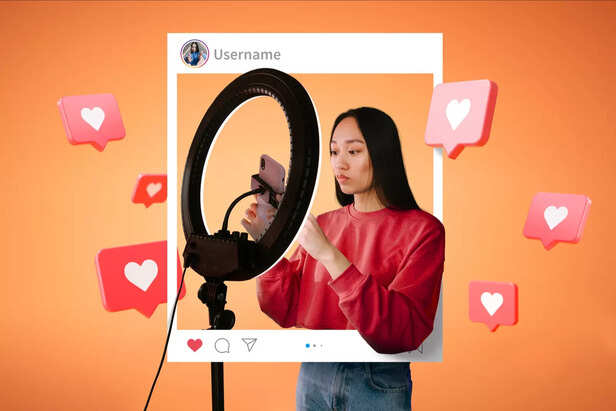
Image credit : Freepik | How Social Media Changed Celebrity Culture
From Sourav Joshi vlogs to Kusha Kapila's Instagram: Indian creators' parasocial fandom
His fandom can be clearly seen in his comment sections, where netizens are often seen supporting him for years.
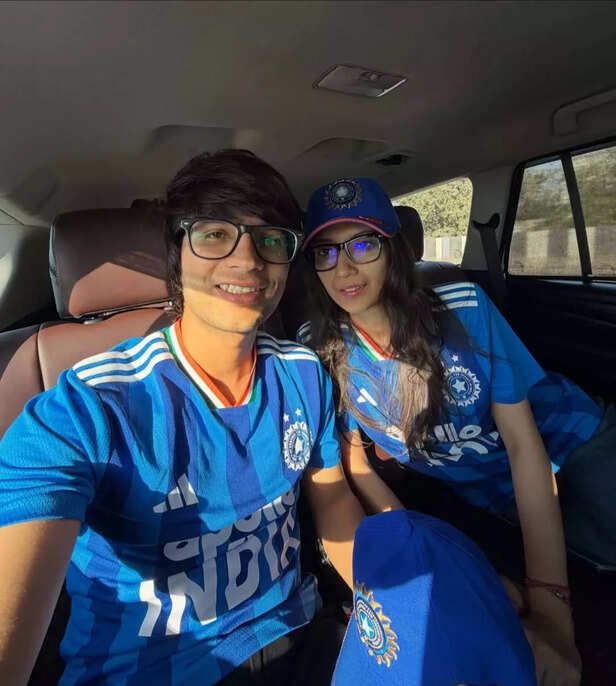
Image credit : Instagram | @souravjoshivlogs | Indian Examples of Parasocial Bonds
Similarly, fans closely follow the humorous and relatable content of Kusha Kapila on Instagram, often feeling emotionally invested in her personal updates and career moves. Be it her love life or her weight loss journey, some of us literally feel she is one of us.
Why social media makes it worse
Unlike traditional celebrities, influencers often present themselves as relatable, someone who is "just like you". They vlog their routines, talk about their feelings and reply to their comments. Sometimes they even respond directly to followers.
Researchers like Rebecca Pennington and Jeffrey A. Hall have described this as an "illusion of closeness". And features like stitches, duets and replies on TikTok make that connection feel even more personal.
The loneliness connection
But there's a catch.
Influencers usually show the best parts of their lives, the exciting trips, career wins and aesthetic routines. Hence, constantly watching that highlight reel can sometimes make your own life exciting in comparison.
So while parasocial connections might reduce loneliness for a moment, they can also make people feel more isolated over time.
Image credit : Freepik | The One-Sided Friendship Taking Over the Internet
Signs you might be too invested
Some signs of a parasocial relationship include:
- You feel genuinely upset when something bad happens to the creator.
- You feel like you personally know them.
- You defend them aggressively online.
- You keep track of almost everything happening in their life.
- You compare your own life to theirs.
Parasocial bonds are the internet's secret business model
When audiences feel emotionally connected to a creator, they are more likely to watch their videos longer, trust their opinions and buy products they recommend or support their merch or subscriptions.
Which actors can win their first Oscar in 2026? Michael B Jordan, Timothee Chalamet, Jessie Buckley, and more chase Academy Award glory
By Nillohit Bagchi

Teacher warns parents over BTS ARIRANG class bunk plans
By Karen Noronha

Legendary directors still waiting for an Oscar
By Karen Noronha

Trump warns US will hit Iran ‘Very Hard’ next week
By Nancy Jaiswal

Southern Hospitality star Grace Lilly arrested on drug possession charge
By Karen Noronha

Are ‘butter runs’ the next viral fitness craze?
By Saloni Jha

Why Gen Z loves the ‘Girl Dinner’ trend
By Nancy Jaiswal
