
Why is Gen Z saying ‘no’ without overexplaining? A boundary-setting shift era many are still adjusting to
Saloni Jha | Mar 09, 2026, 15:24 IST
From saying no to overwork to shutting down body-shaming relatives, Gen Z is unapologetically setting boundaries and redefining respect.

Image credit : Indiatimes | Growing up online has also shaped how Gen Z protects their time and attention.
For the longest time, people have quietly tolerated things that made them uncomfortable. Overworking, intrusive questions from relatives, random comments about apearancw, and unsolicited life advice were often brushed aside with a polite smile.
But Gen Z seems to have decided that the era of silent tolerance is over.
This generation is far more vocal about protecting their personal space and emotional wellbeing. Whether it is at work, in friendships or during awkward family gatherings, they are increasingly willing to say one simple word: no.
![Pinterest | hese habits reflect a growing awareness that constant connectivity can blur the line between personal and public life.]()
For many Gen Z individuals, setting boundaries is not just a personality trait. It is a survival strategy in a hyper-connected world.
Unlike older workplace cultures that celebrated long hours and constant availability, Gen Z tends to prioritise balance and mental health. Logging off after work, ignoring non-urgent messages late at night and openly signalling the end of the workday are becoming normal habits.
In this mindset, productivity matters more than simply appearing busy.
![Pinterest | Unlike older workplace cultures that celebrated long hours and constant availability, Gen Z tends to prioritise balance and mental health.]()
Another noticeable shift is how Gen Z communicates limits.
They are far more comfortable declining invitations, responsibilities or conversations that drain their energy. The idea that every refusal requires a lengthy explanation is slowly disappearing.
This also extends to relationships. Some young people are more willing to distance themselves from toxic friendships or family dynamics that consistently harm their wellbeing.
Growing up online has also shaped how Gen Z protects their time and attention.
Many prefer texting before calling, limit screen time or take occasional digital detox breaks. These habits reflect a growing awareness that constant connectivity can blur the line between personal and public life.
![Pinterest | This generation is far more vocal about protecting their personal space and emotional wellbeing.]()
Of course, this new approach is not always welcomed.
Older generations sometimes interpret these boundaries as laziness, entitlement or a lack of respect. In reality, Gen Z often sees them as a healthier way to maintain relationships without sacrificing mental wellbeing.
There is also the reality that not everyone has the privilege to draw strict boundaries, especially when job security or financial stability is at stake.
Like it or not, Gen Z is no longer quietly accepting every expectation placed on them, for many, protecting their peace is simply non-negotiable. As it should be!
But Gen Z seems to have decided that the era of silent tolerance is over.
This generation is far more vocal about protecting their personal space and emotional wellbeing. Whether it is at work, in friendships or during awkward family gatherings, they are increasingly willing to say one simple word: no.
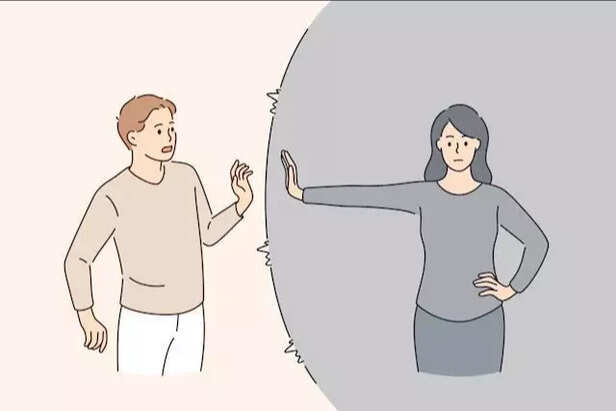
Image credit : Pinterest | hese habits reflect a growing awareness that constant connectivity can blur the line between personal and public life.
The generation that finally said “enough”
Unlike older workplace cultures that celebrated long hours and constant availability, Gen Z tends to prioritise balance and mental health. Logging off after work, ignoring non-urgent messages late at night and openly signalling the end of the workday are becoming normal habits.
In this mindset, productivity matters more than simply appearing busy.

Image credit : Pinterest | Unlike older workplace cultures that celebrated long hours and constant availability, Gen Z tends to prioritise balance and mental health.
Saying no without explaining everything
They are far more comfortable declining invitations, responsibilities or conversations that drain their energy. The idea that every refusal requires a lengthy explanation is slowly disappearing.
This also extends to relationships. Some young people are more willing to distance themselves from toxic friendships or family dynamics that consistently harm their wellbeing.
Growing up online has also shaped how Gen Z protects their time and attention.
Many prefer texting before calling, limit screen time or take occasional digital detox breaks. These habits reflect a growing awareness that constant connectivity can blur the line between personal and public life.

Image credit : Pinterest | This generation is far more vocal about protecting their personal space and emotional wellbeing.
The pushback from older generations
Older generations sometimes interpret these boundaries as laziness, entitlement or a lack of respect. In reality, Gen Z often sees them as a healthier way to maintain relationships without sacrificing mental wellbeing.
There is also the reality that not everyone has the privilege to draw strict boundaries, especially when job security or financial stability is at stake.
Like it or not, Gen Z is no longer quietly accepting every expectation placed on them, for many, protecting their peace is simply non-negotiable. As it should be!
Who are banned from the Oscars in 2026?
By Nillohit Bagchi

Why are the Academy Awards called the Oscars?
By Priya Prakash

Is Kanye West’s India concert cancelled?
By Nillohit Bagchi

Which actors can win their first Oscar in 2026?
By Nillohit Bagchi

Teacher warns parents over BTS ARIRANG class bunk plans
By Karen Noronha

Legendary directors still waiting for an Oscar
By Karen Noronha

Trump warns US will hit Iran ‘Very Hard’ next week
By Nancy Jaiswal
